Zero formaldehyde emissions,
providing a healthy and safe living environment.
Excellent waterproof performance,
suitable for kitchens and bathrooms.
Complies with international standards,
providing extra safety for your home.
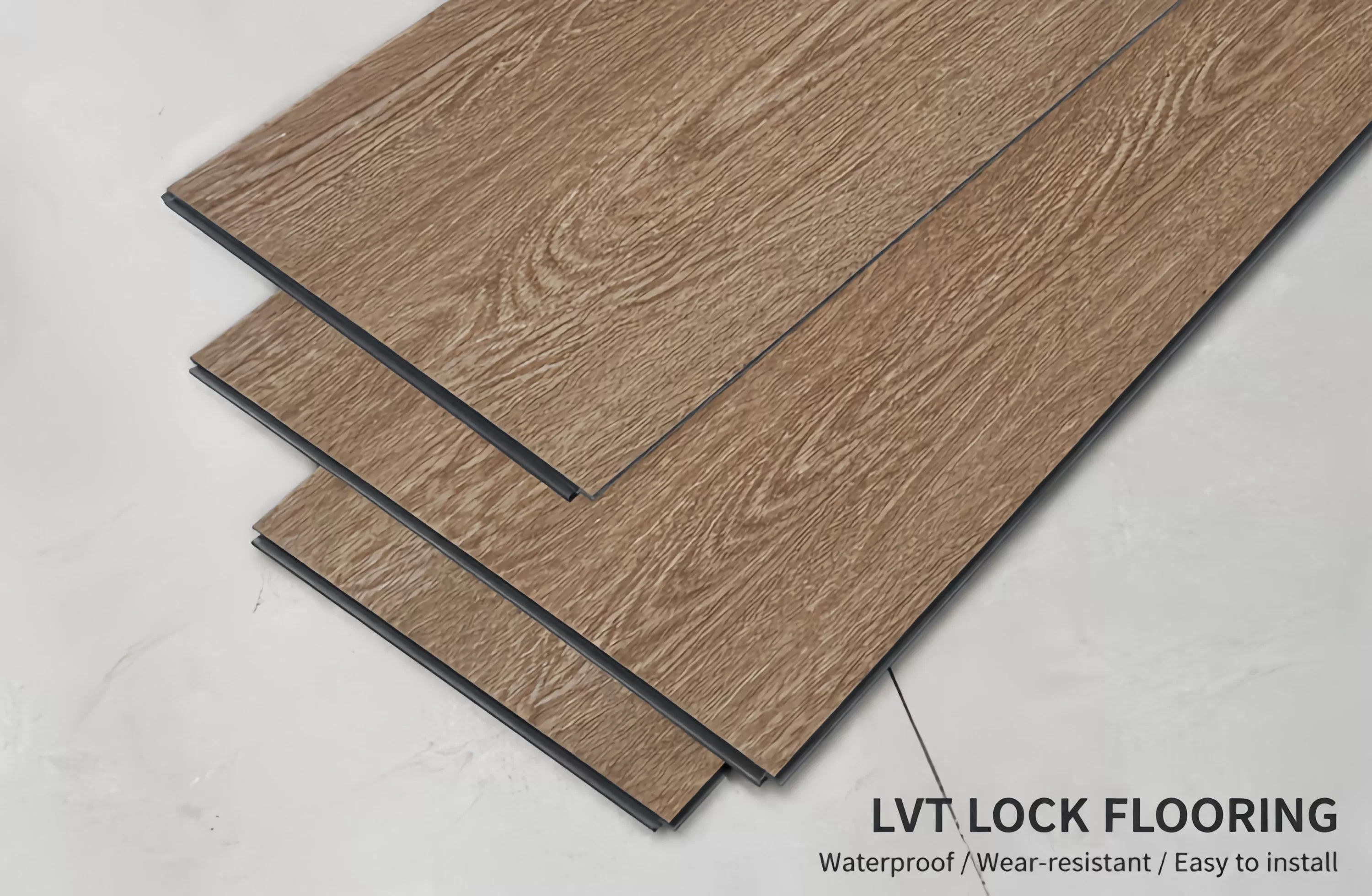
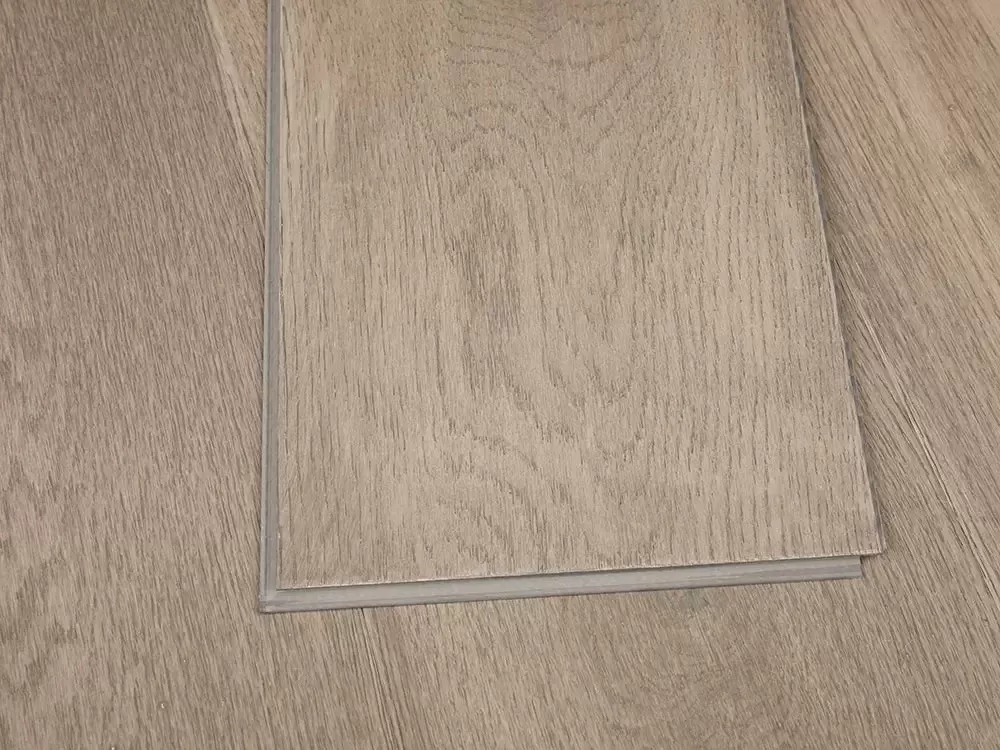
Highly wear-resistant layer,
withstanding the test of time.
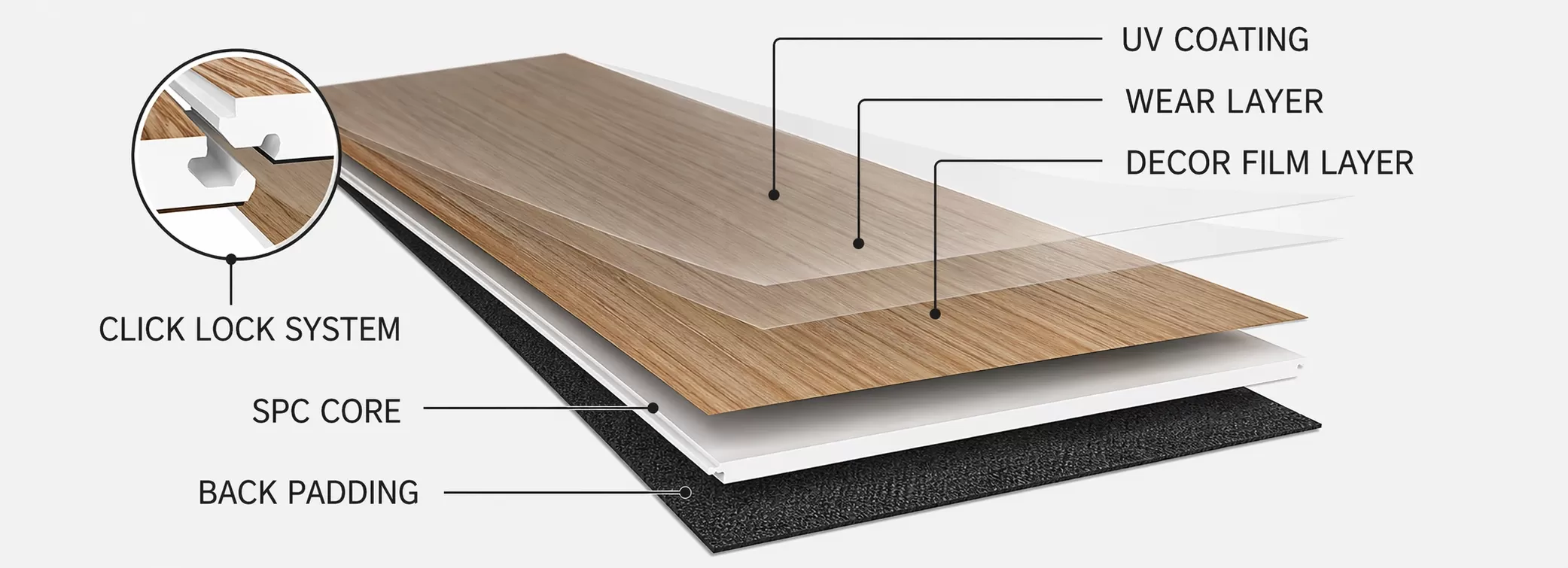
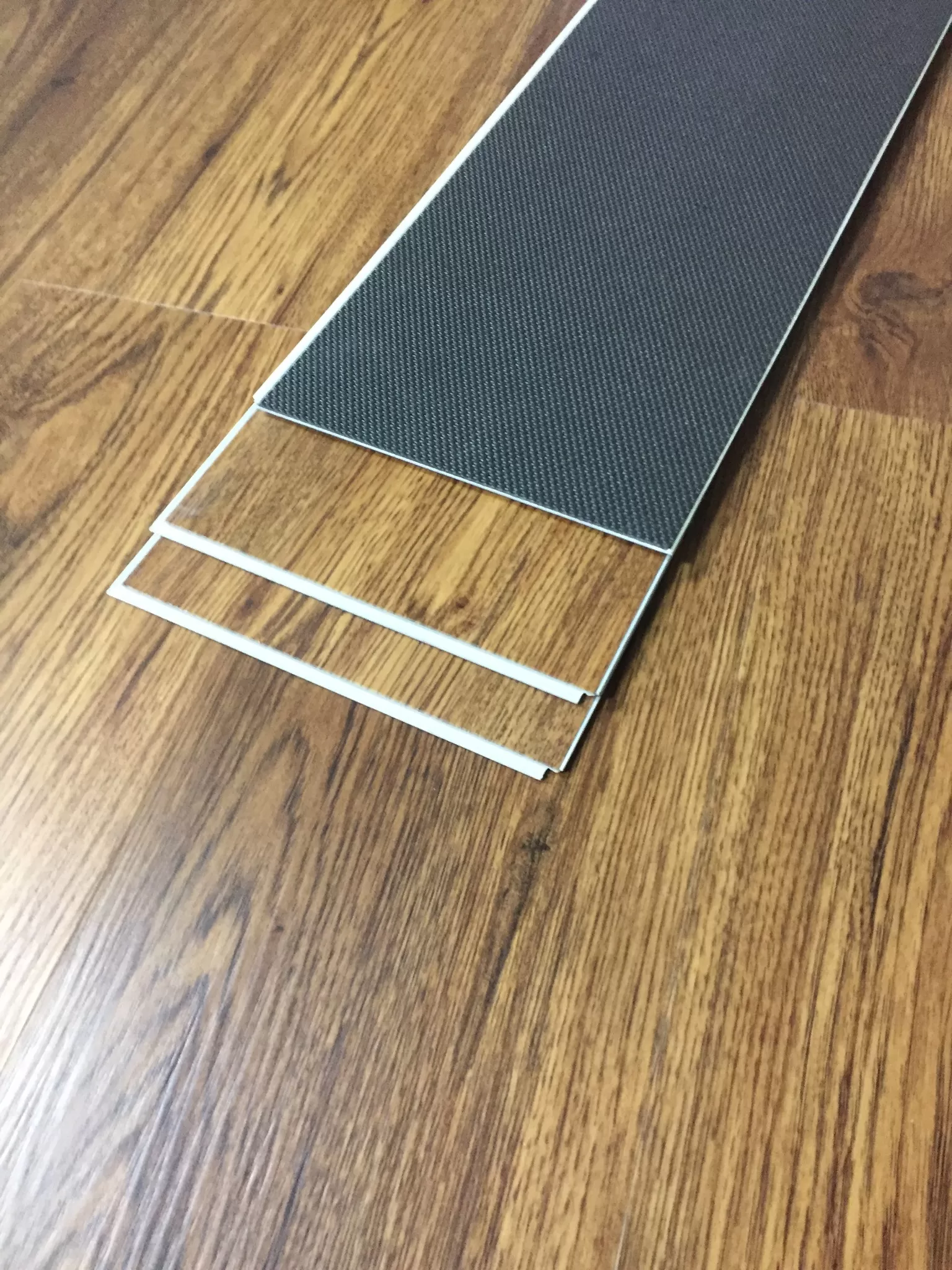
Rigid Core SPC Flooring Solutions
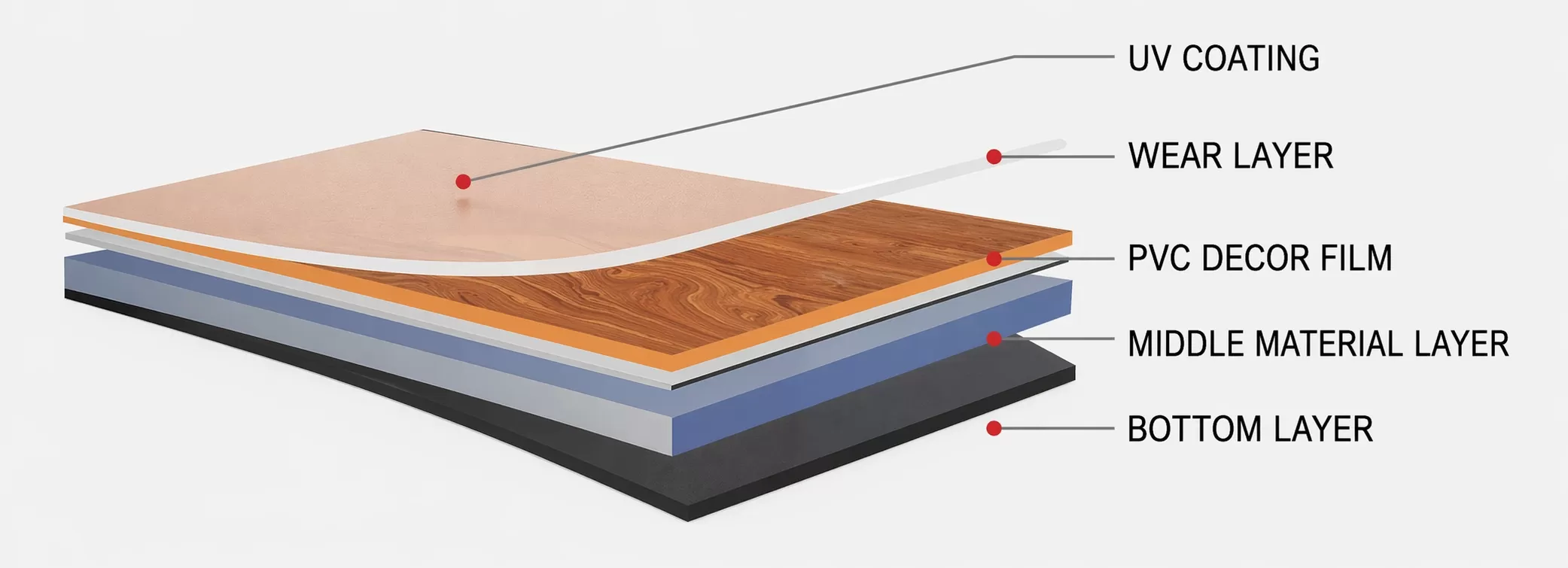
Complete LVT Line to Cover More Buyer Needs
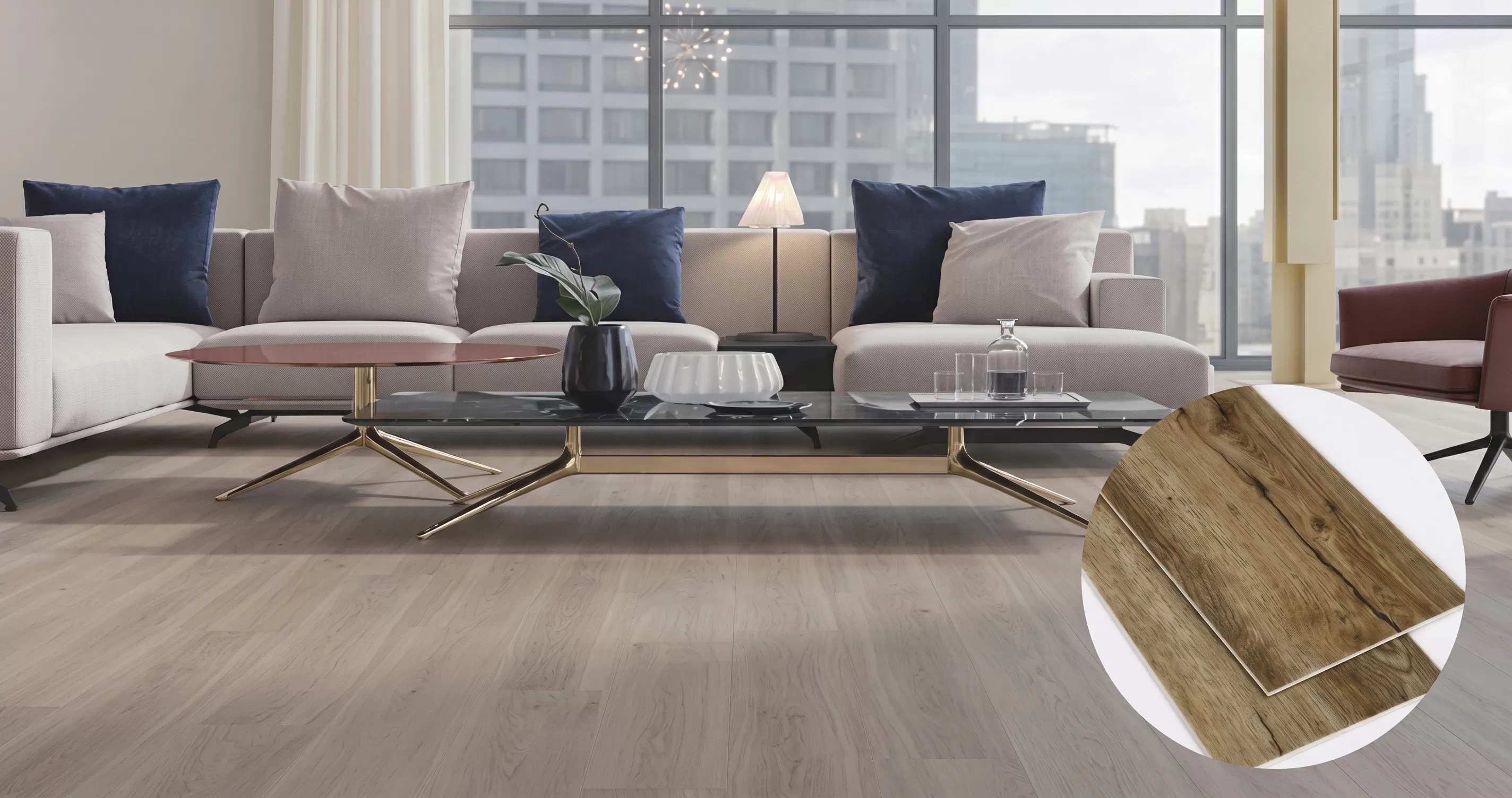
The most cost-effective choice, suitable for various renovation needs.
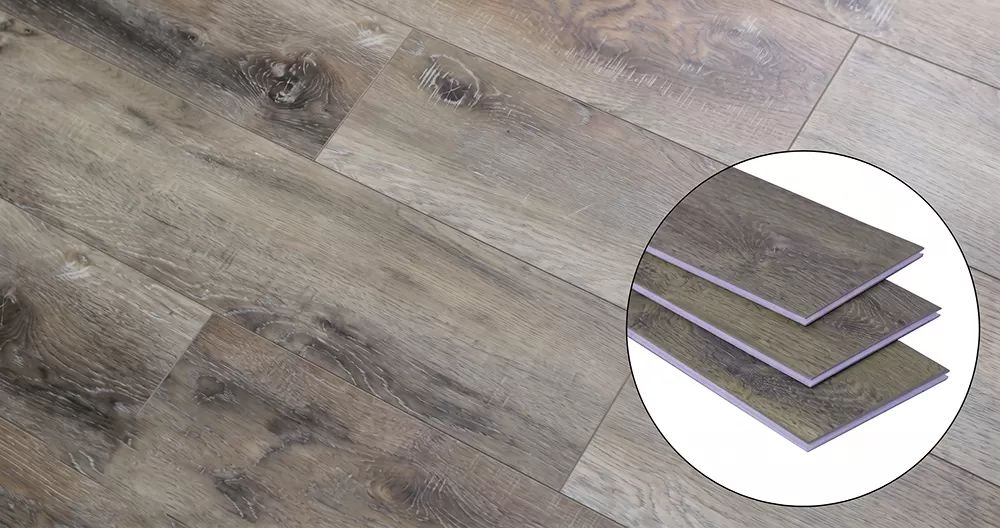
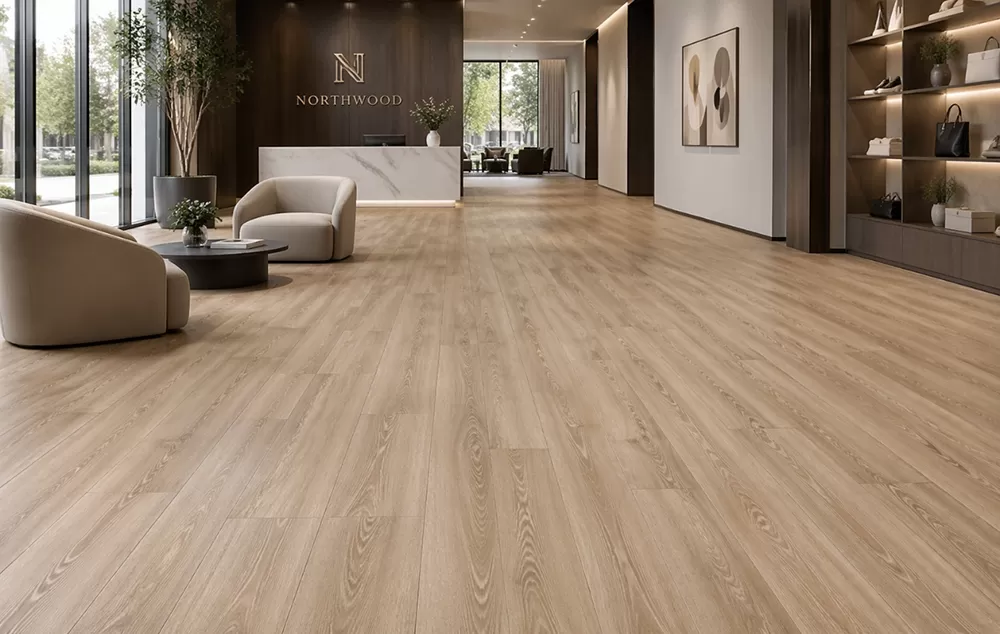
Professional commercial-grade flooring, highly durable.
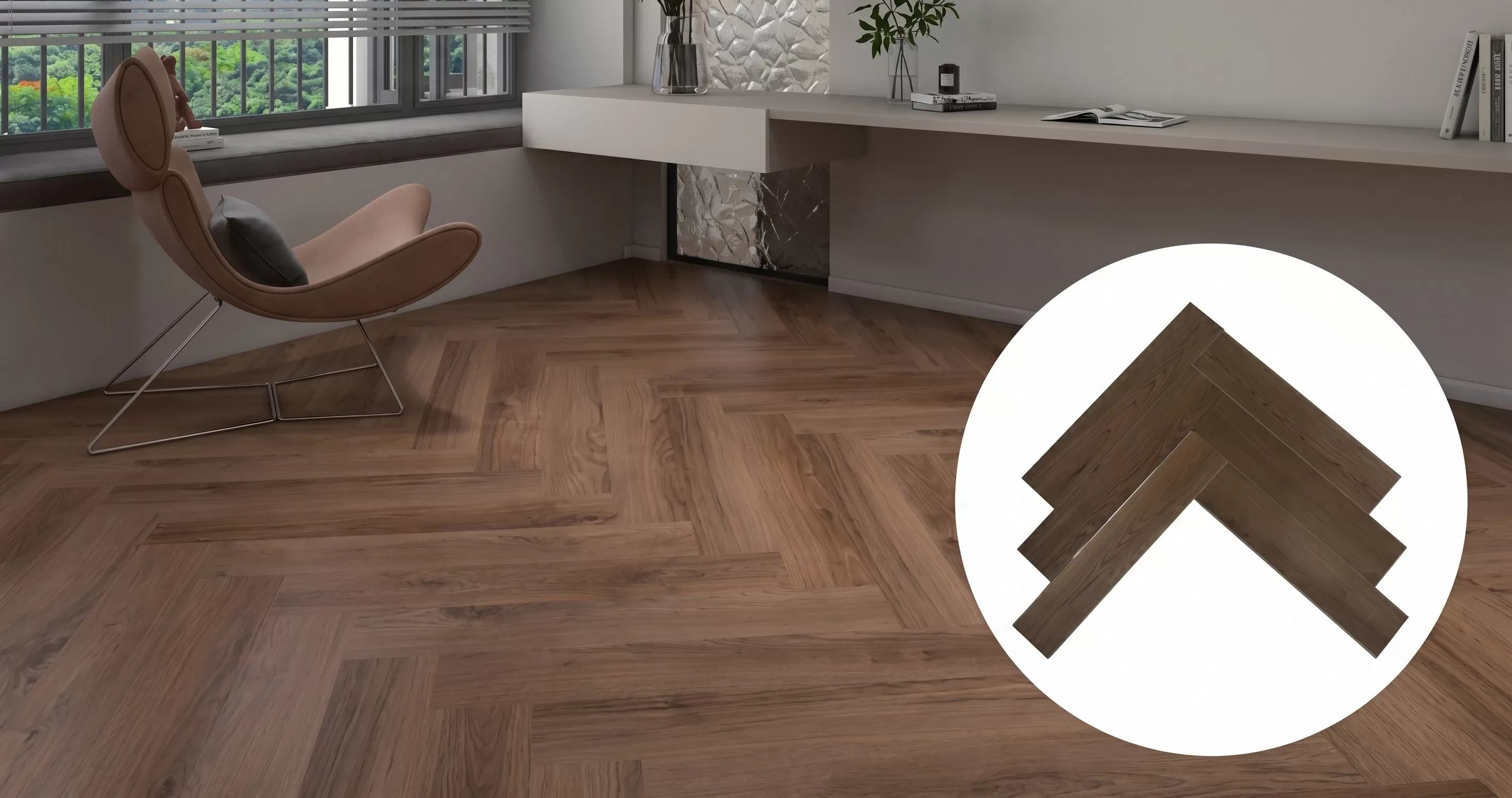
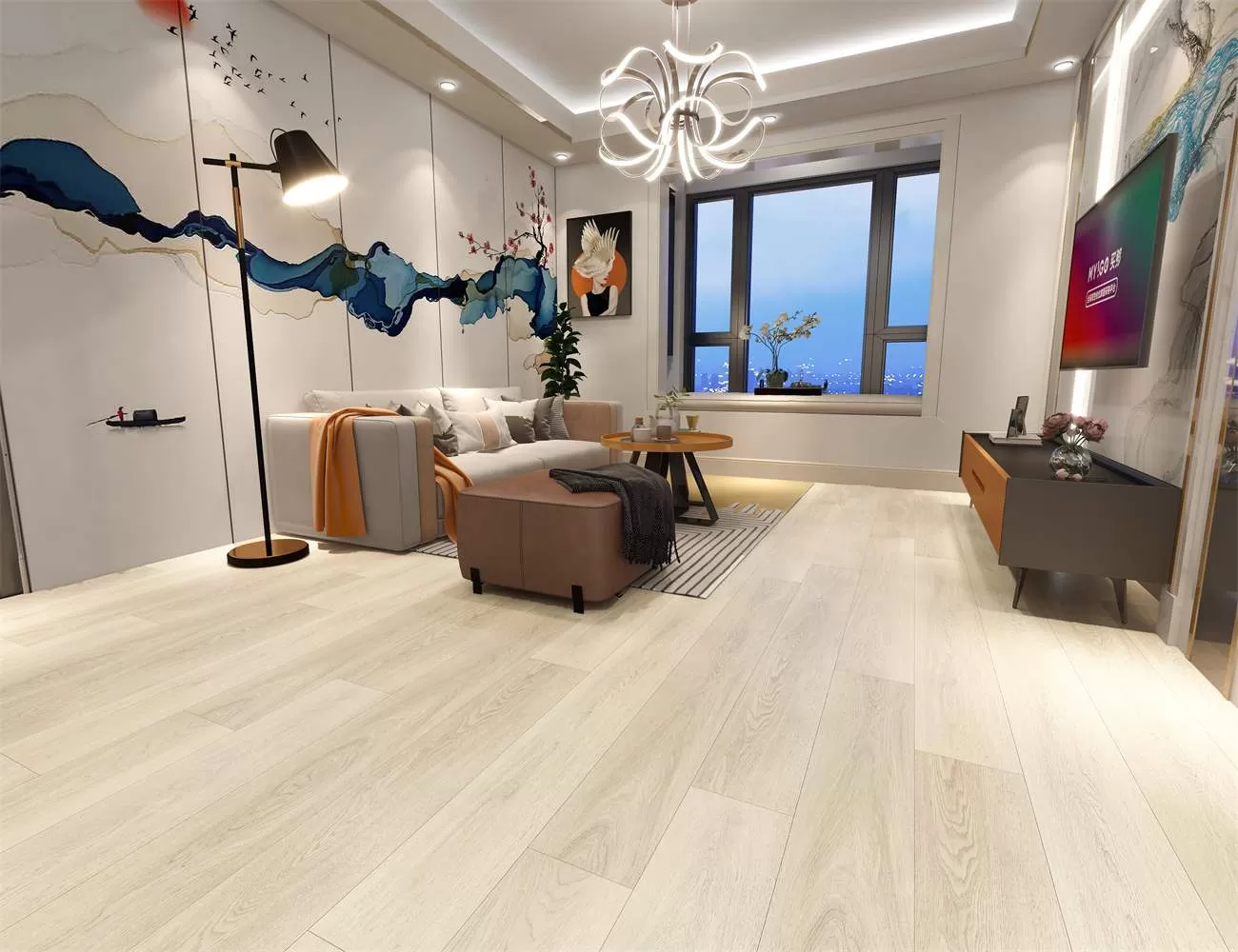
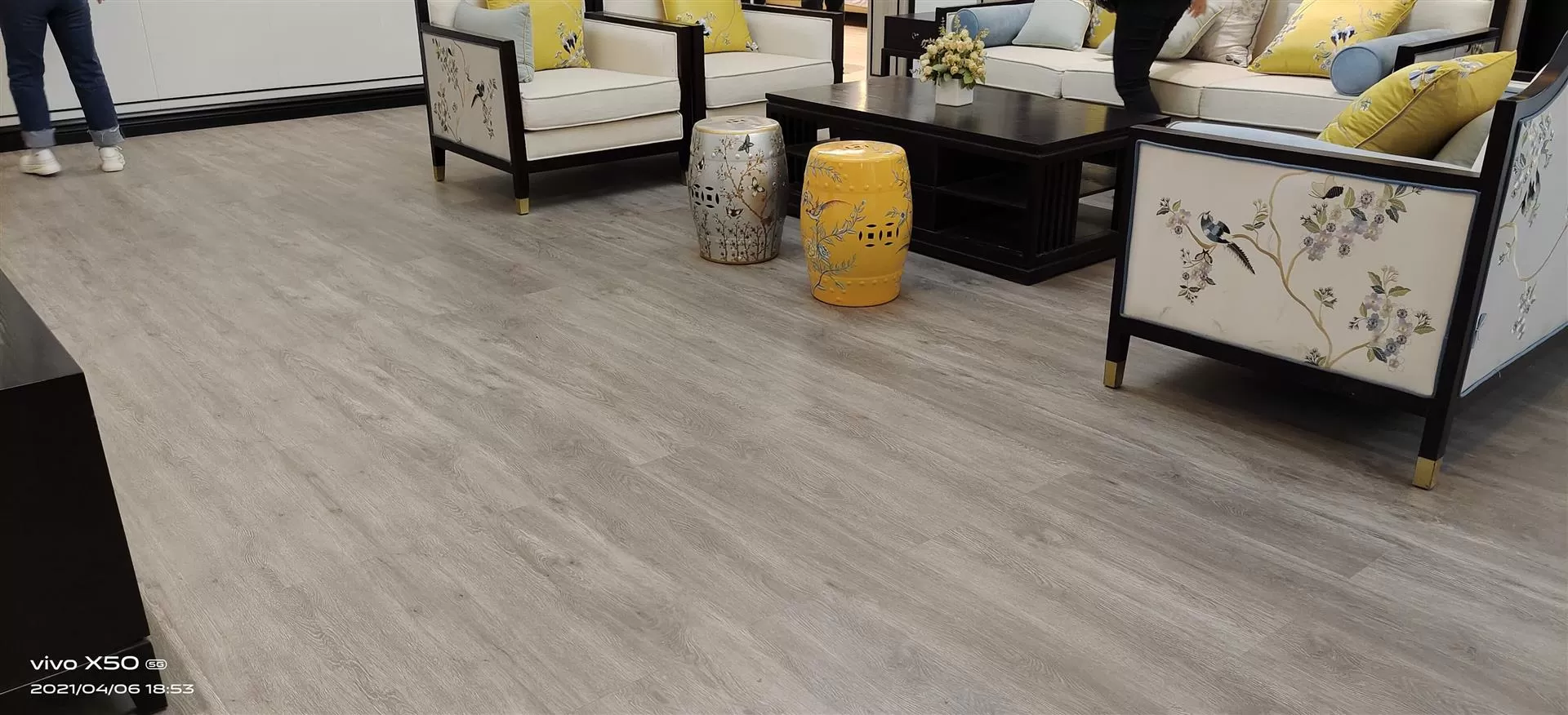
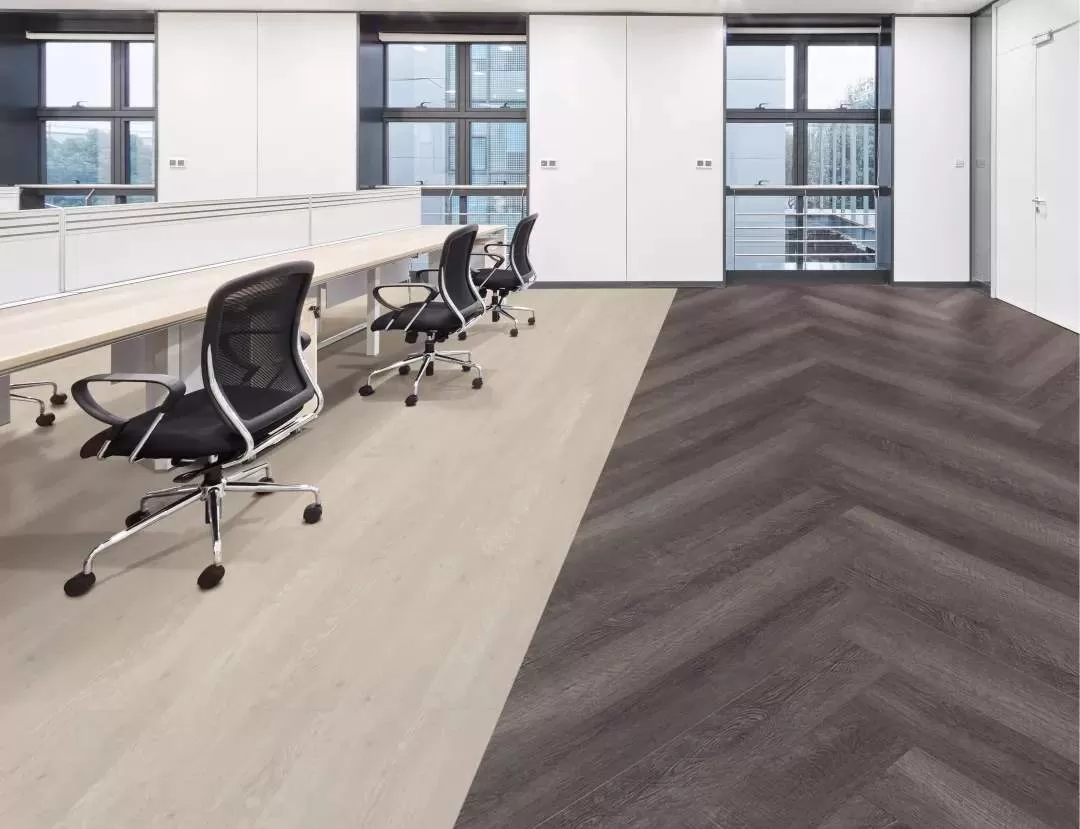
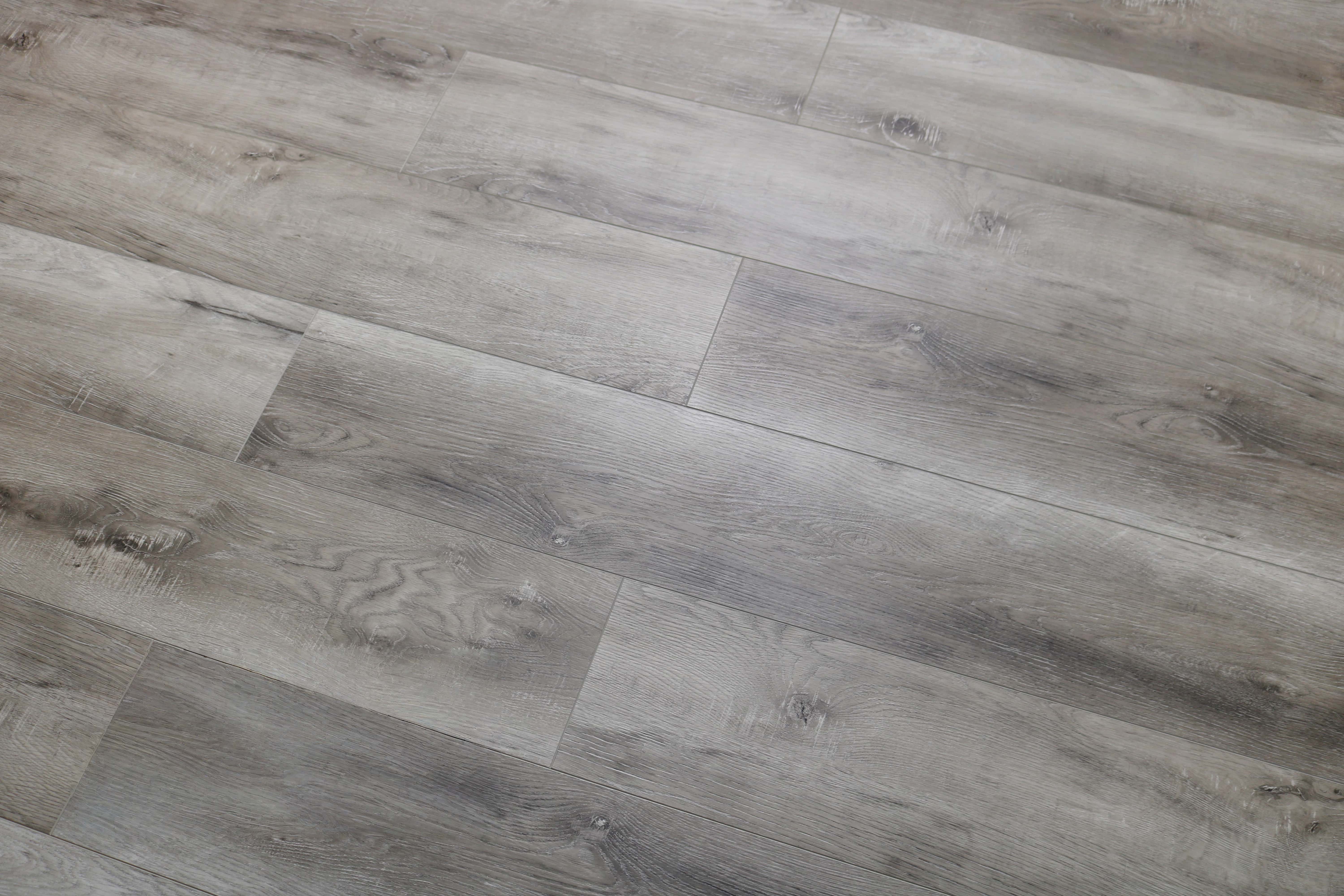
Stylish design, elevating the artistic sense of the space.
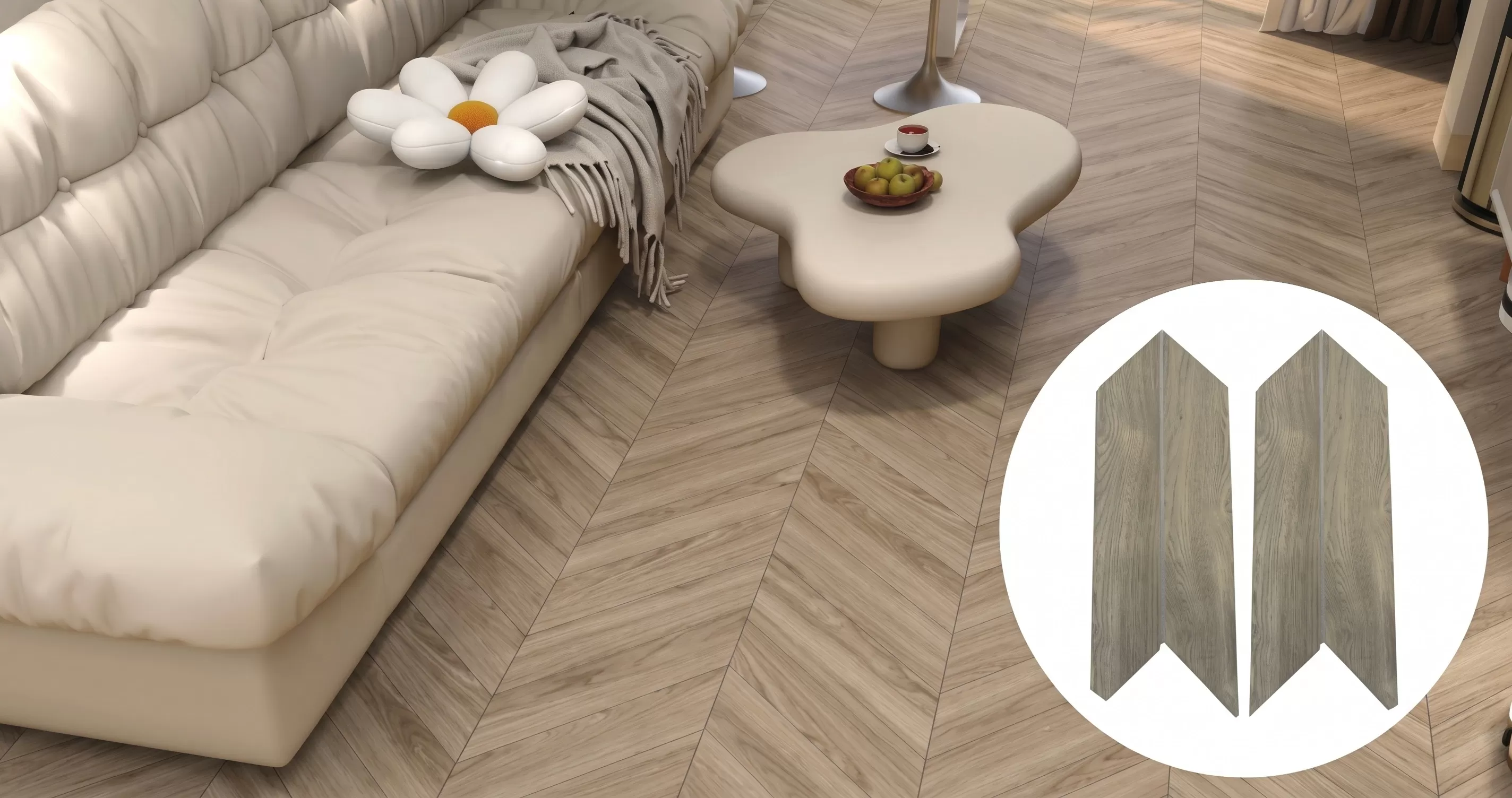
Classic patterns, timeless elegance.
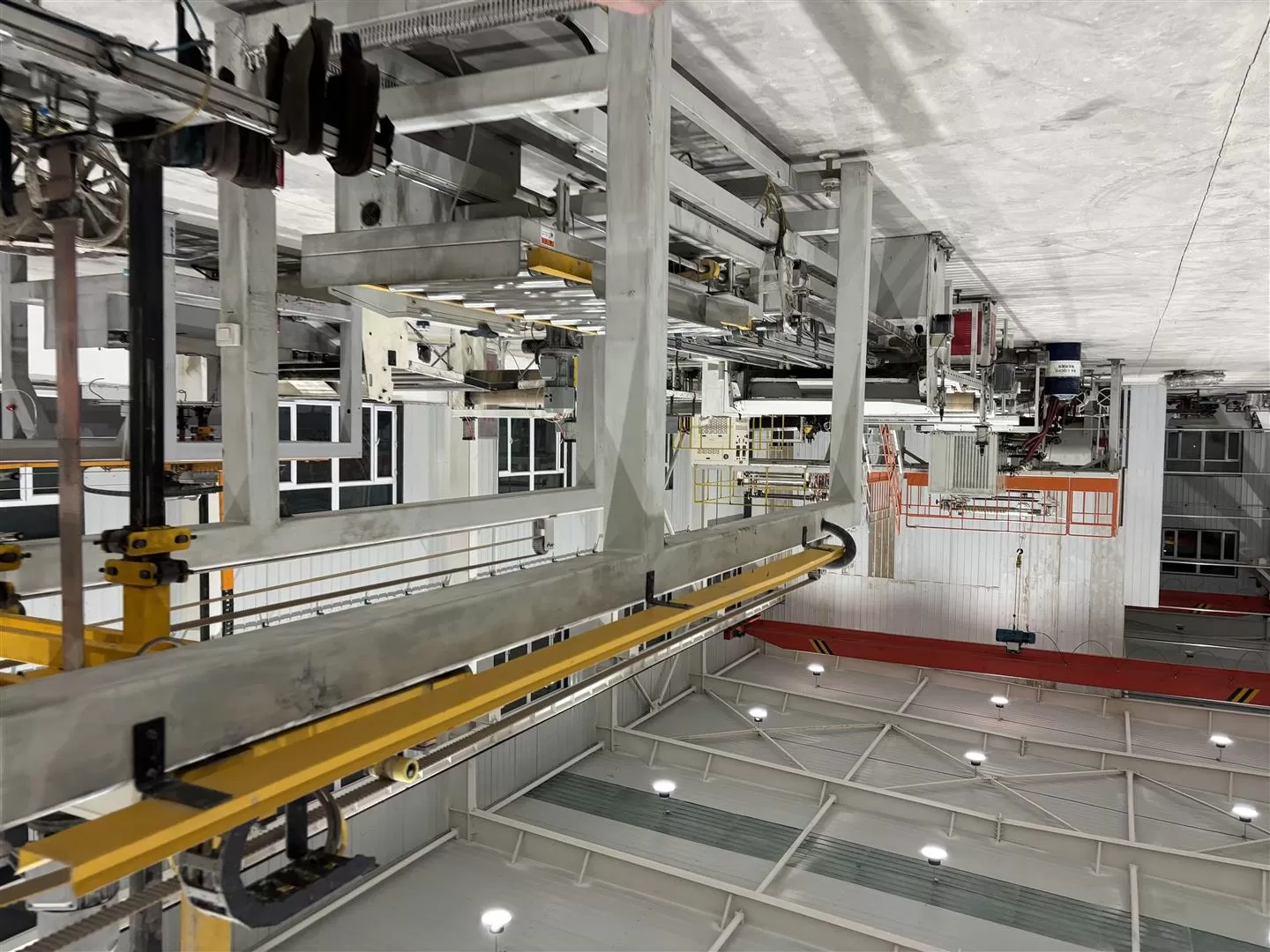
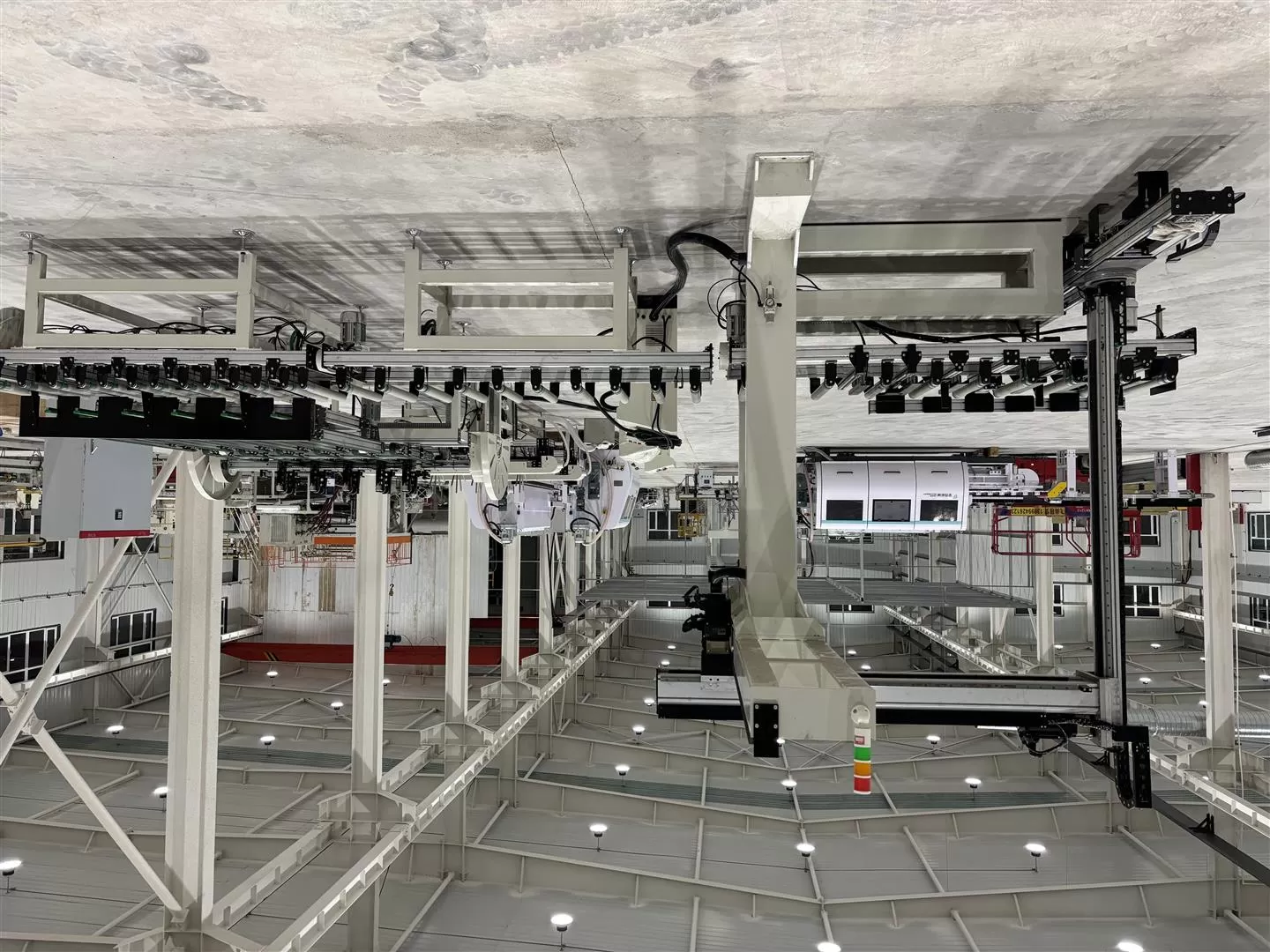
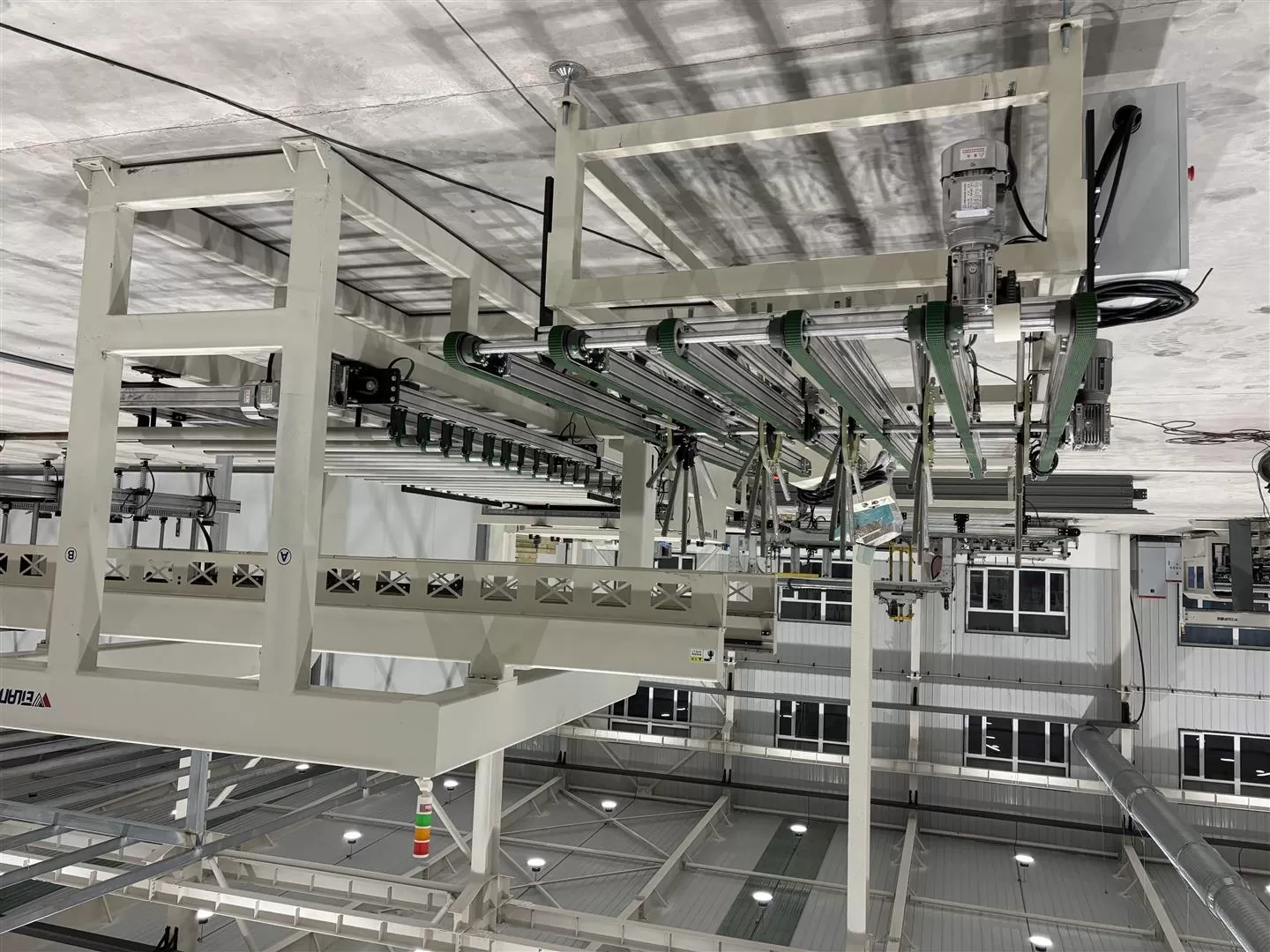
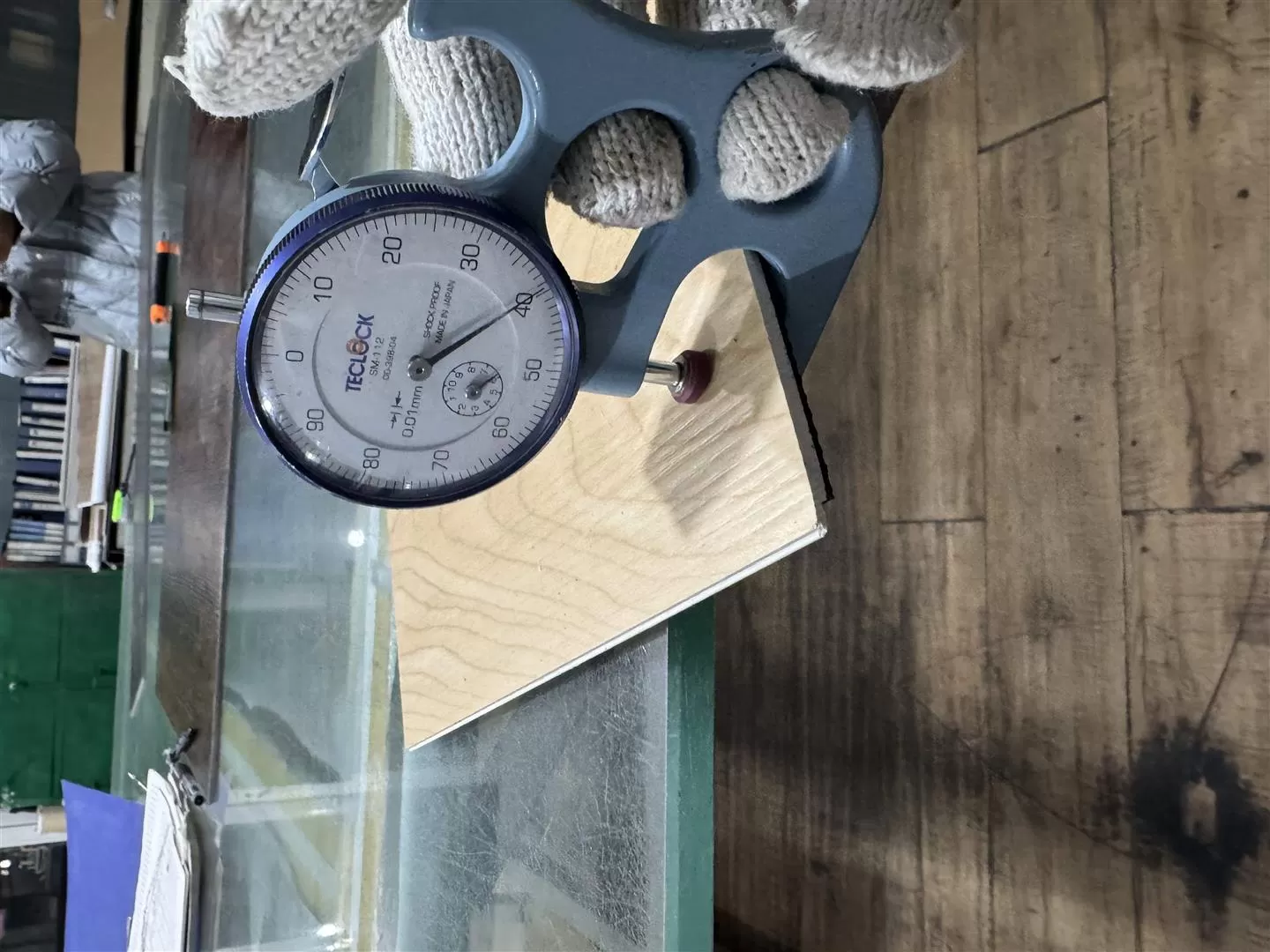
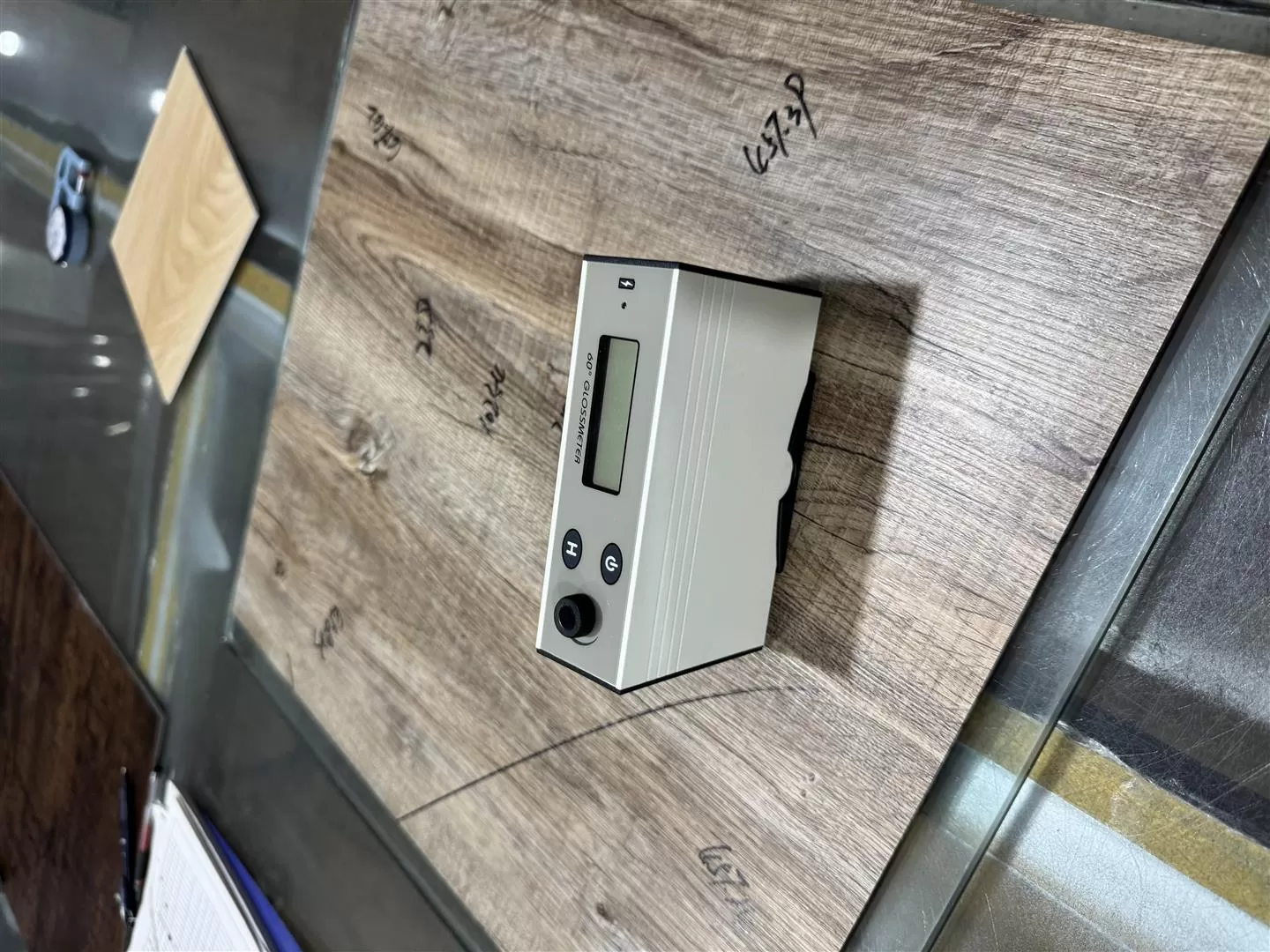
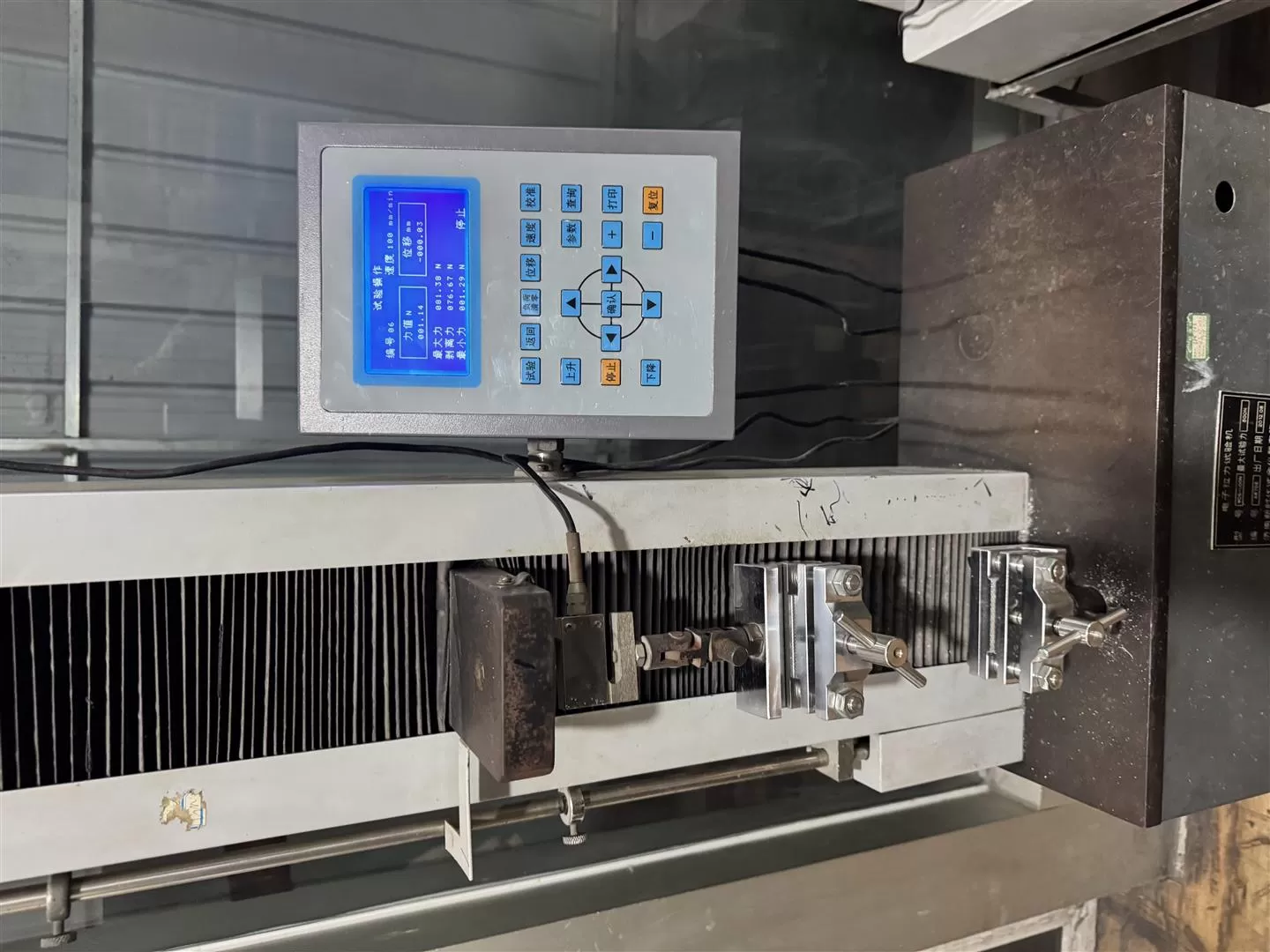
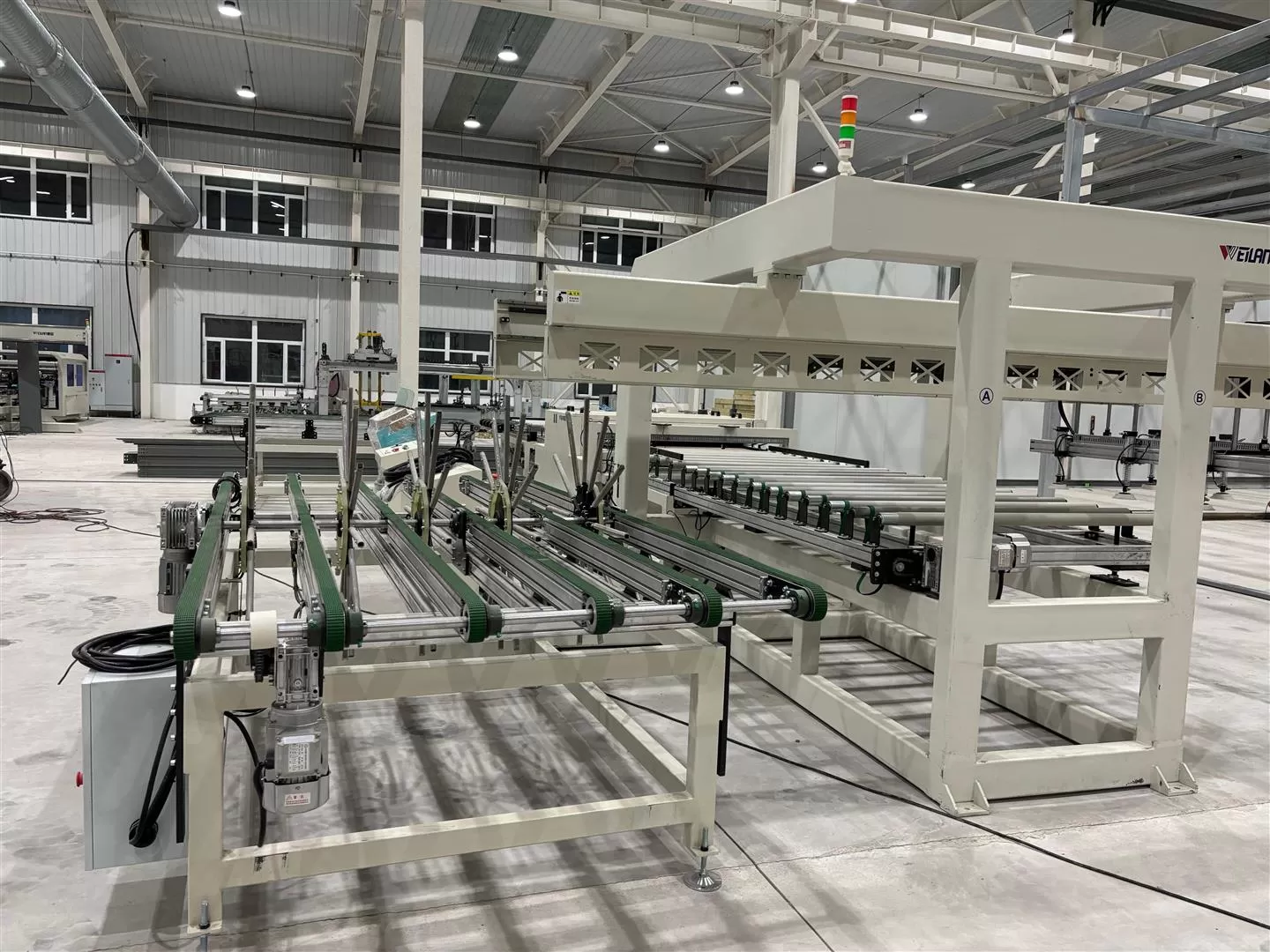
We have advanced production equipment and a strict quality control system to ensure every flooring plank meets international standards. Our production base covers 50,000 square meters with an annual production capacity of 20 million square meters.
Imported advanced production lines from Germany and Italy.
36 rigorous quality inspection procedures.
Professional R&D team and technology center.
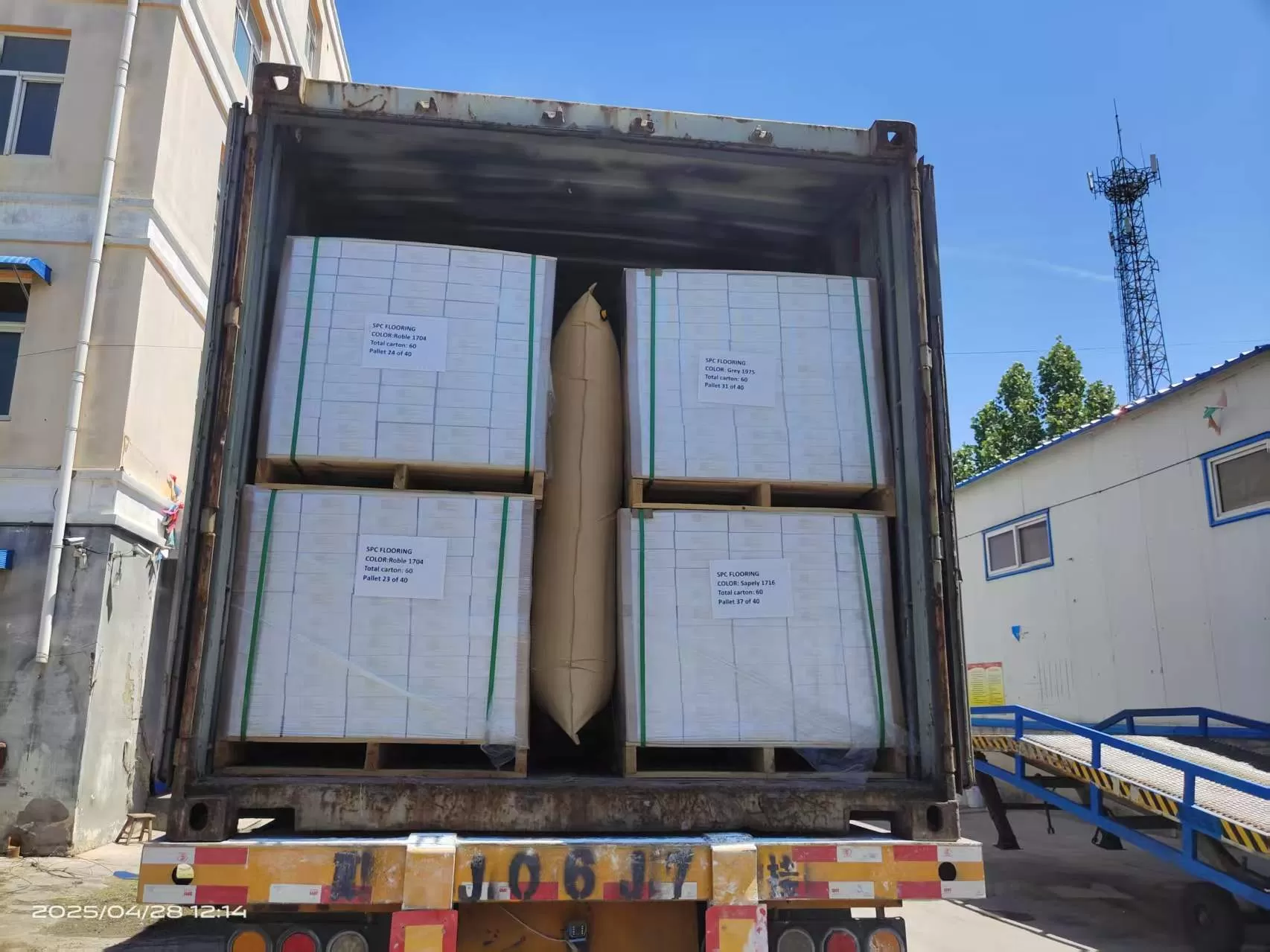
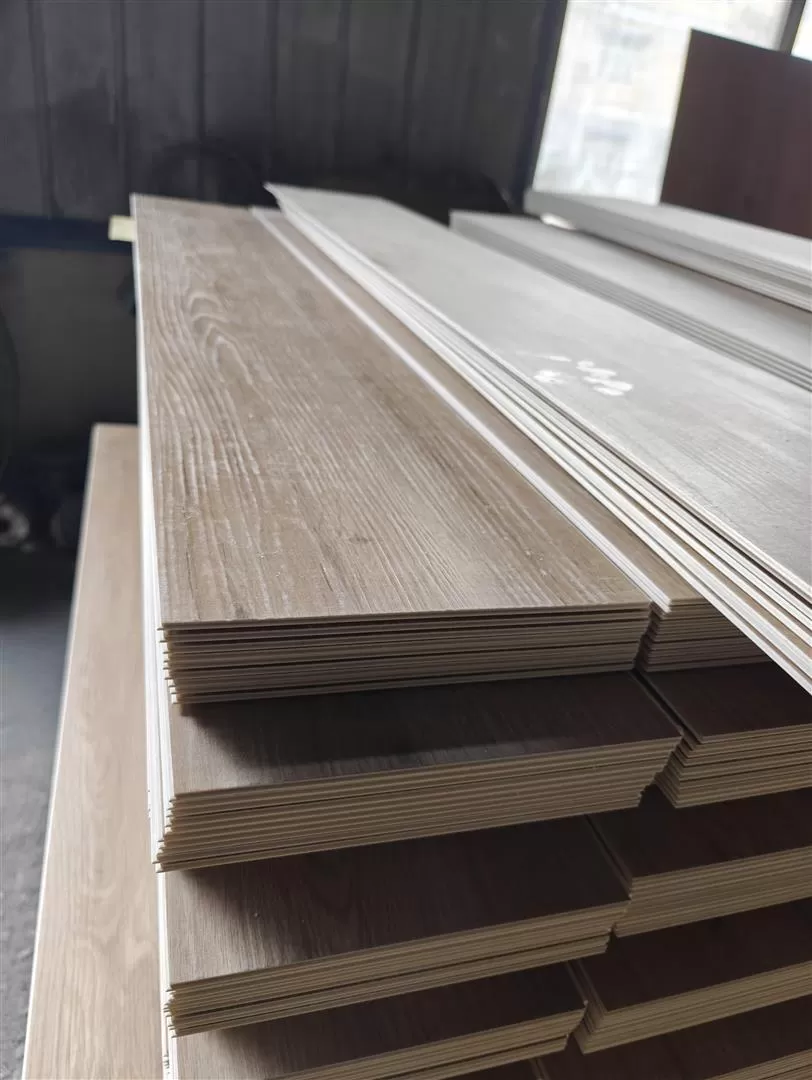
TAB FLOORING serves a diverse group of customers, including flooring distributors, building material wholesalers, contractors, developers, and project-based buyers from different regions.
Our cooperation covers long-term supply partnerships as well as project-based flooring solutions. Whether for residential spaces or commercial environments, we provide products that meet practical installation and usage requirements.
Through clear communication, stable supply, and responsible service, we aim to build trusted relationships with our customers and support their business growth in local markets.
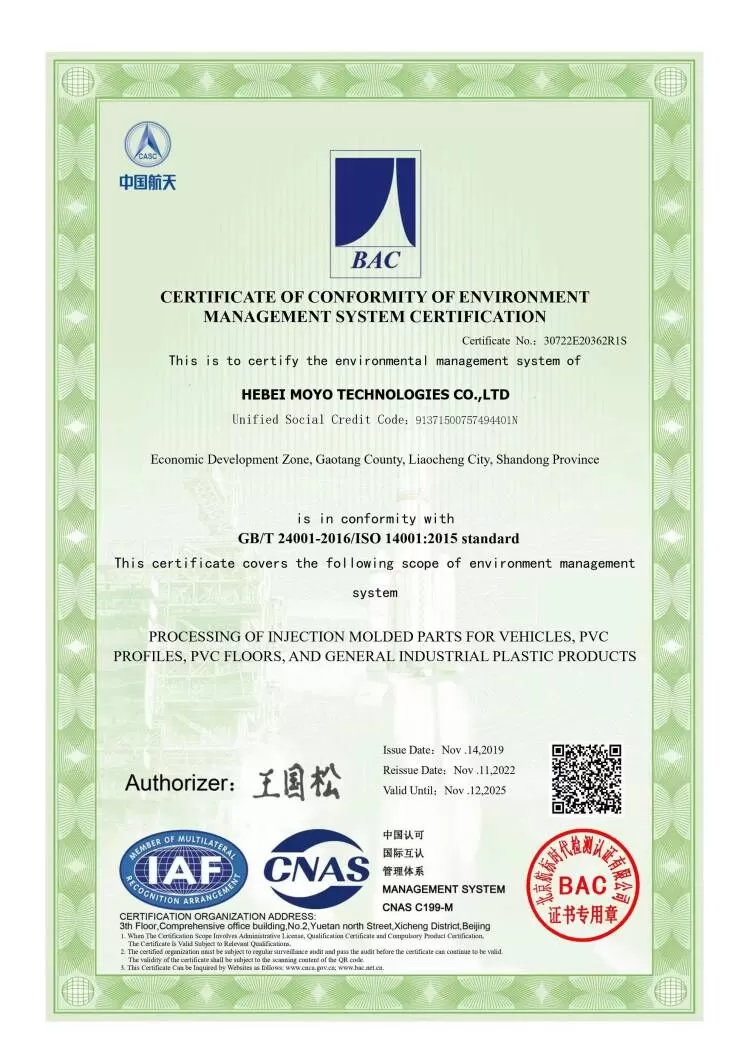
British Agr??ment Certificate
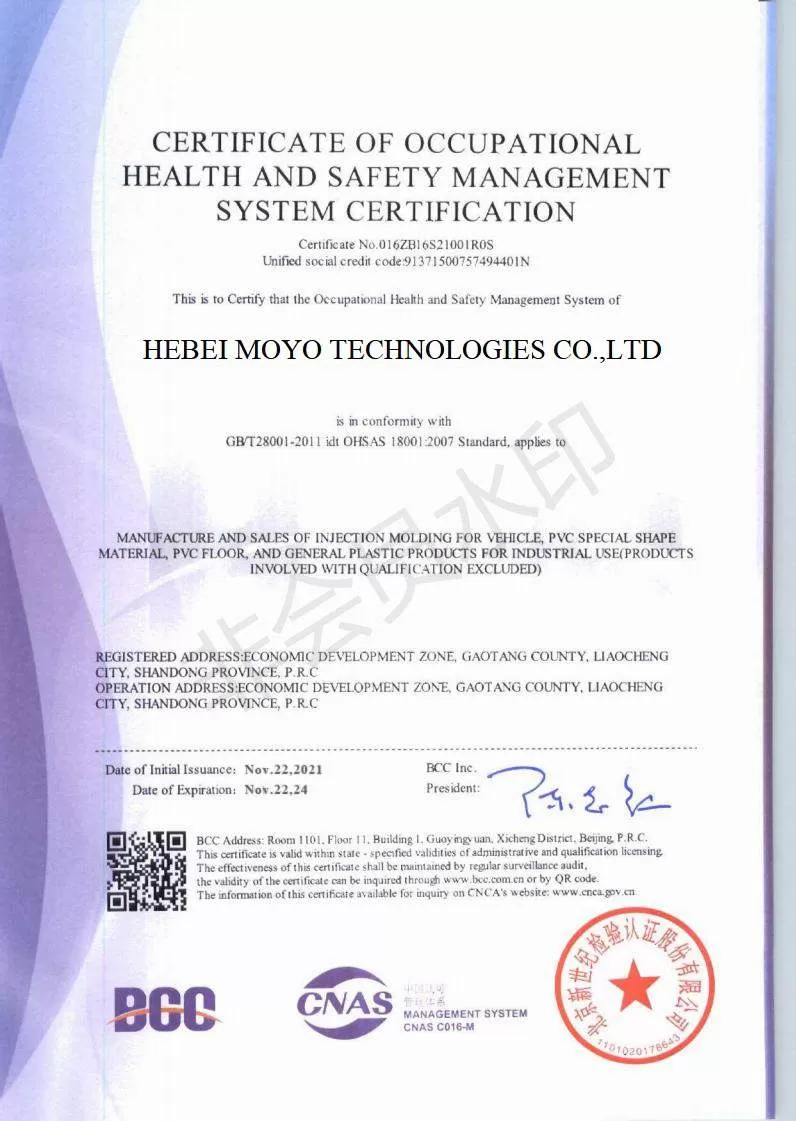
Occupational Health and Safety Management
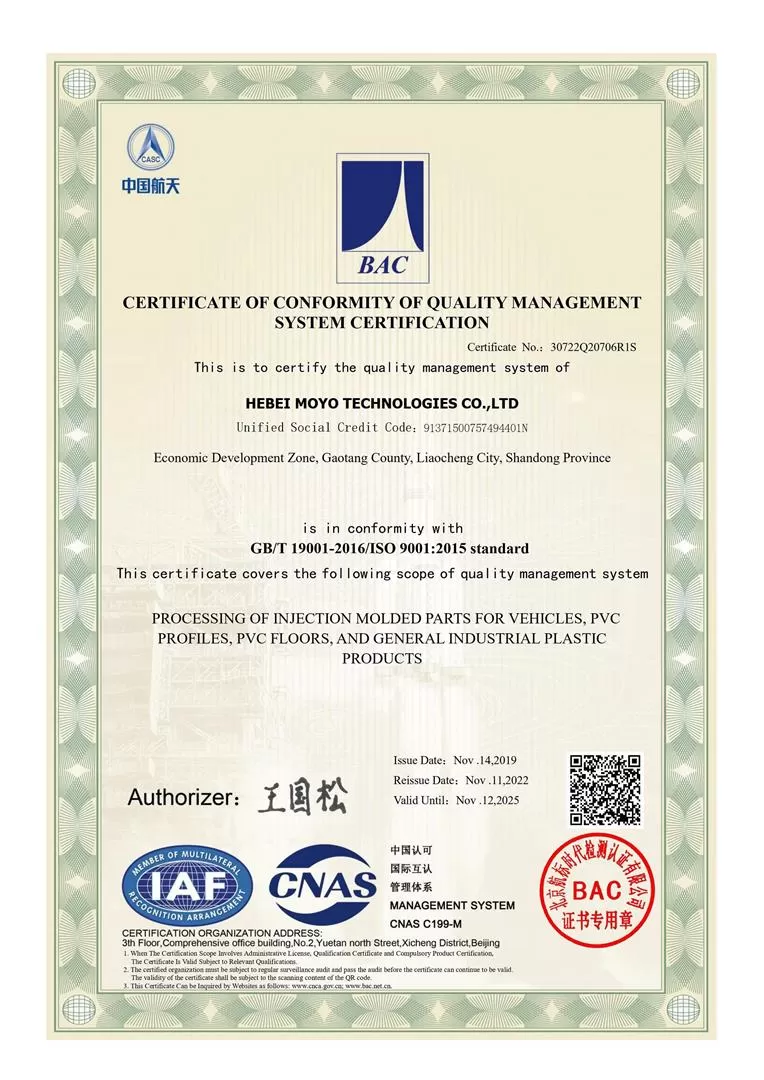
Quality Management System
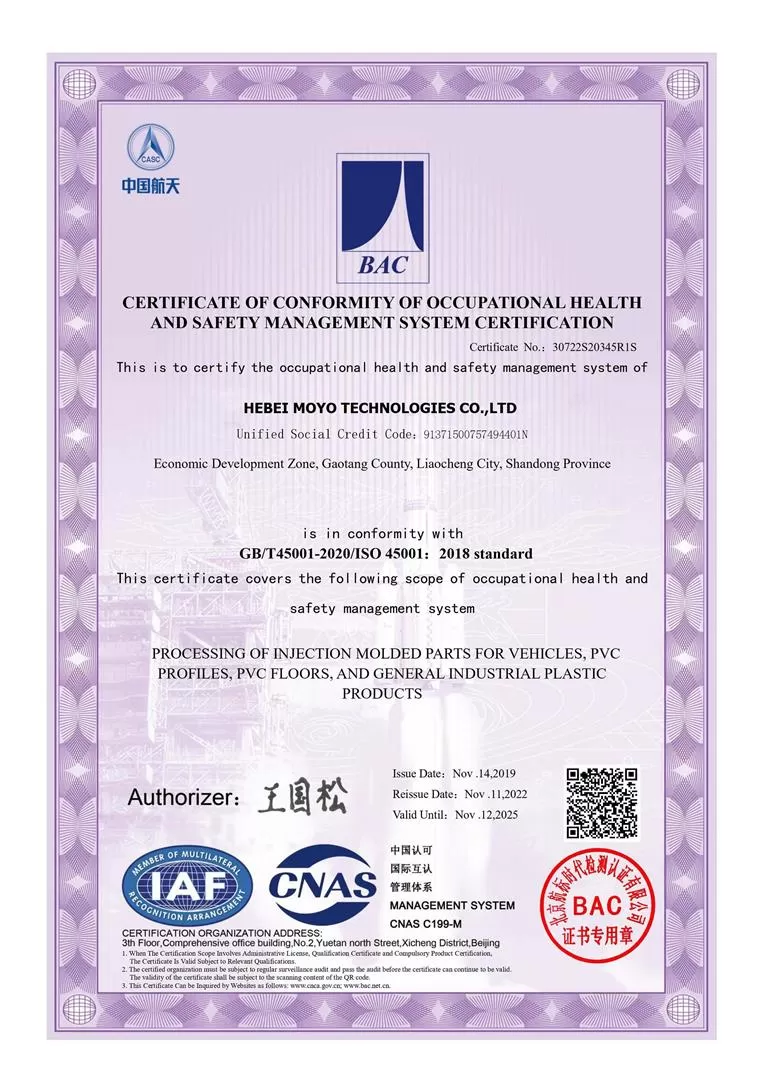
Occupational Health and Safety Management
British Agr??ment Certificate
Occupational Health and Safety Management
Quality Management System
Occupational Health and Safety Management
British Agr??ment Certificate
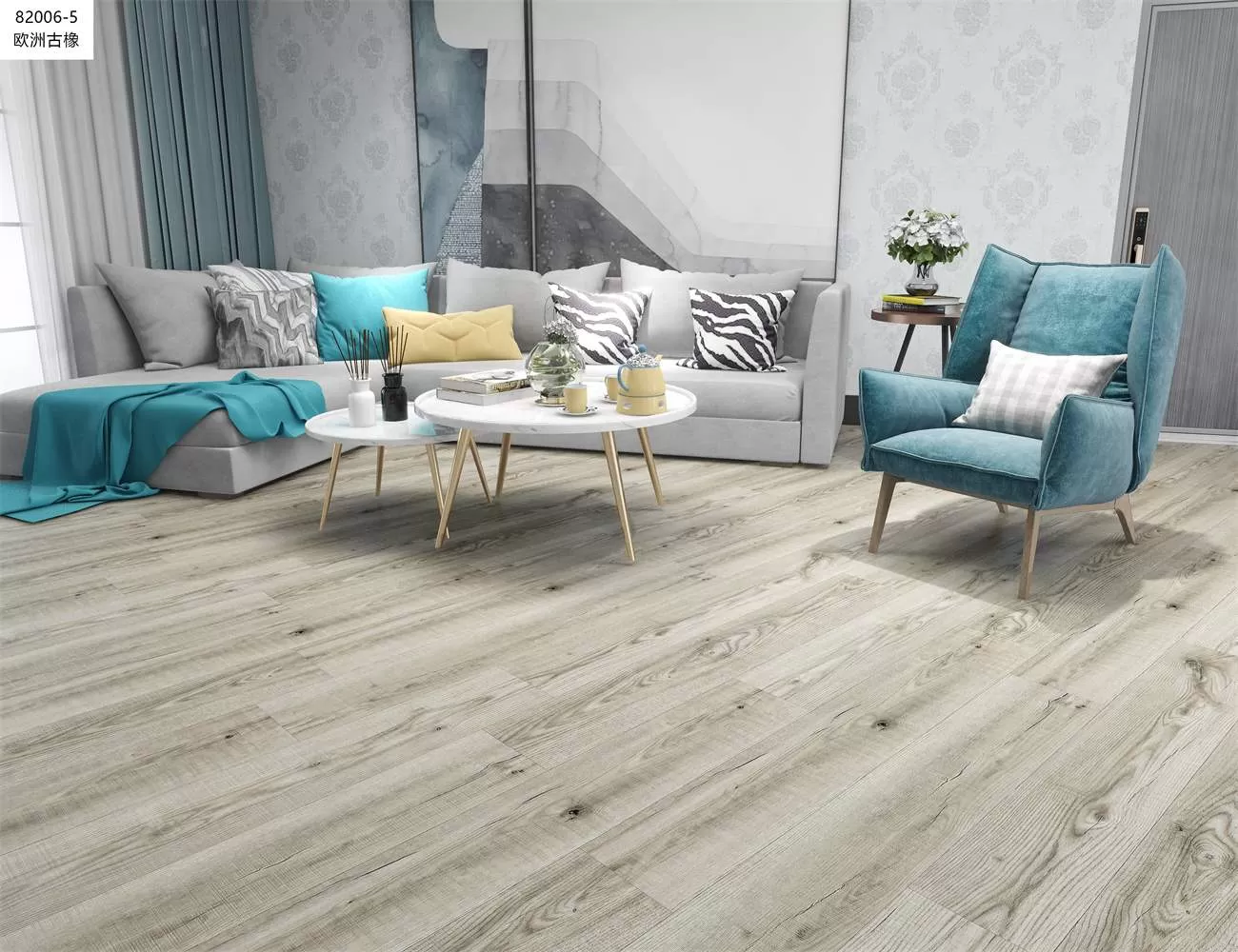
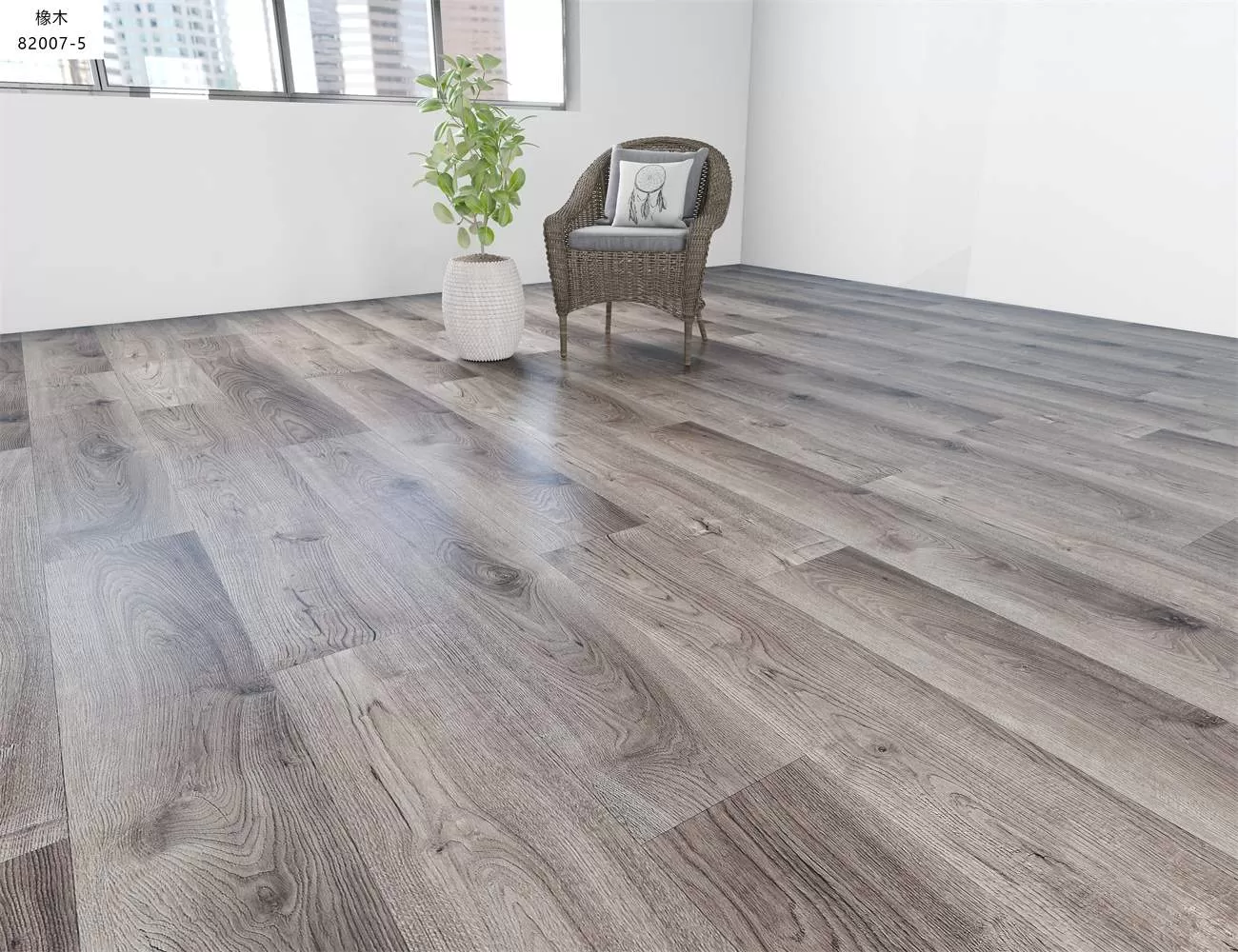
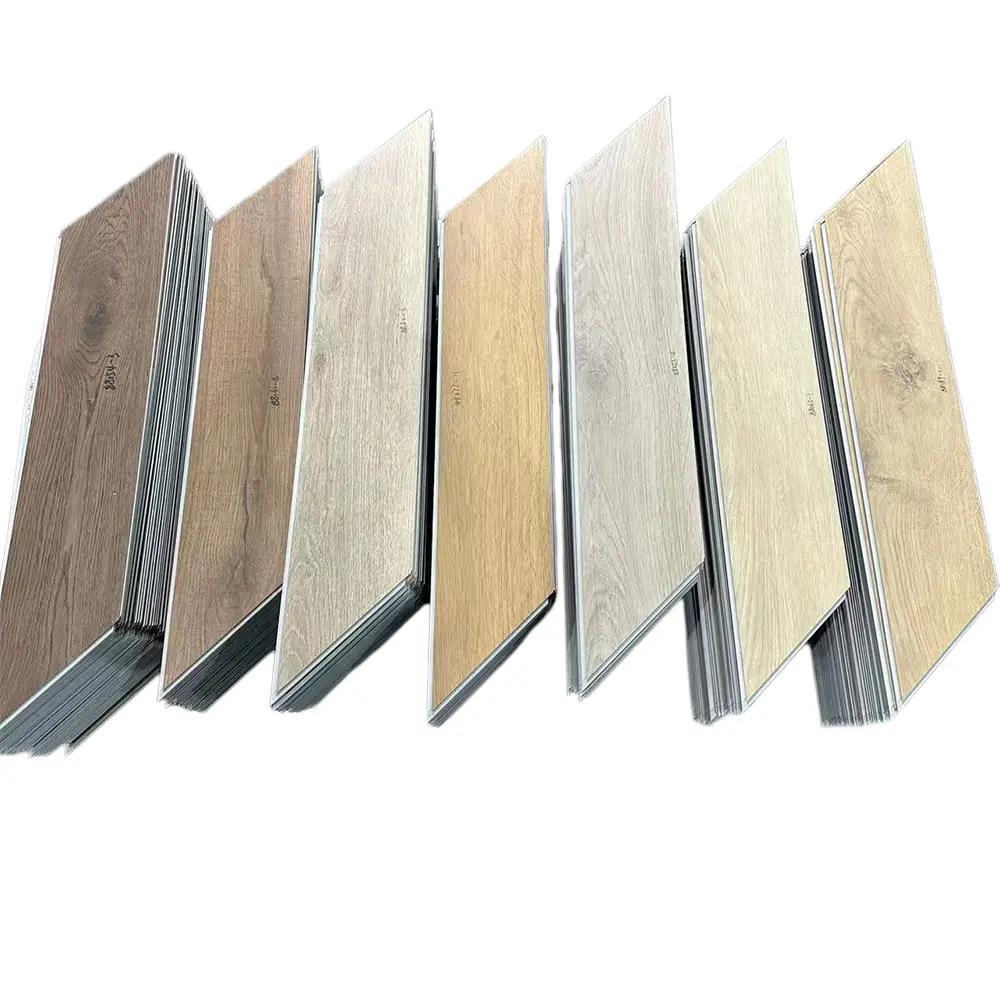
We've expanded our surface options to include 12 new ultra-realistic wood grain decors. This improves your selection for
Read More
We've expanded our surface options to include 12 new ultra-realistic wood grain decors. This improves your selection for
Read More
We've expanded our surface options to include 12 new ultra-realistic wood grain decors. This improves your selection for
Read MoreAnswer: There's no absolute "better," only "more suitable."
SPC: Its core advantage is superior dimensional stability, with virtually no thermal expansion or contraction, making it suitable for environments with underfloor heating, direct sunlight, and humidity (such as basements). It feels relatively firm underfoot, similar to ceramic tile. It's usually cheaper than LVT, offering better value.
LVT: Its core advantage is excellent elasticity and comfort underfoot, making it softer and quieter to walk on. Its flexibility allows for stronger textures and embossing. However, its stability at high temperatures is not as good as SPC, and it requires a more even subfloor. It's usually more expensive.
Conclusion: For ultimate stability, underfloor heating, and high cost-effectiveness, choose SPC; for top-tier feel, luxurious textures, high-end commercial use, and controllable ambient temperature, choose LVT.
Answer: This is the biggest selling point and the most common misconception.
Core Materials: SPC/LVT's main components are polyvinyl chloride (PVC) and stone powder. It inherently contains no aldehydes, thus theoretically achieving "zero formaldehyde addition." Reputable, well-known brands typically offer better environmental performance than many engineered wood flooring options.
Key Reminder: Environmentally friendly does not equal "non-toxic." Pay attention to other harmful substances, such as heavy metals (lead, cadmium) and phthalate plasticizers. Always request testing reports from authoritative institutions and pay attention to environmental labels such as "National Standard E0 grade" (or higher), "CE certification," and "FloorScore."
Answer: This is one of its core advantages, but with strict conditions.
The material itself is 100% waterproof: Water cannot corrode the SPC/LVT substrate.
The installation method is crucial: There are still tiny gaps at the interlocking joints. If a large amount of water is soaked for a long time, it will seep into the subfloor, causing mold and warping in the base layer (such as cement floors).
Correct practice: This is perfectly feasible in dry areas such as kitchens and bathrooms where water may splash. In wet areas like bathrooms, it is recommended to use full adhesive installation, sealing all seams to truly achieve "waterproofing." Also, ensure the floor has a drainage slope.
Answer: Yes, and SPC is particularly suitable.
Applicability: Due to its stone-plastic composite base, SPC has an extremely low rate of thermal expansion and contraction, making it a perfect match for underfloor heating. For LVT (Lower Temperature Variable) flooring, a special underfloor heating model must be selected, and its heat resistance limit should be noted.
Thermal conductivity: Better than solid wood and engineered wood flooring, but slightly inferior to ceramic tile. It falls into the comfortable category of "warm feet, cool head."
Important Notes:
Answer: This is the ultimate test of product quality and installation.
Opening up: Mostly caused by poor quality locking system (insufficient load-bearing capacity) or severely uneven subfloor (causing the locking system to be damaged under long-term stress). High-quality locking systems and self-leveling compound can prevent this.
Bowing: Mostly caused by insufficient expansion joints (too tight against walls) or excessively long/wide rooms without transition strips. Stress has nowhere to be released during thermal expansion and contraction. SPC has excellent stability, and the risk of bowing is far lower than other flooring types.
Prevention: Professional installation, subfloor leveling, and proper seam allowance are key.
Answer: AC rating is the European standard for abrasion resistance (EN 13329).
Recommendation: For home use, AC3 or higher can meet the needs of all rooms, offering the best cost performance. AC4/5 is overkill for home decoration.
Answer: Self-leveling is strongly recommended. This is the most important preliminary step to ensure perfect results.
Consequences: Uneven floors will cause stress concentration in the locking mechanism, resulting in creaking noises, a bumpy feel when walking, and over time, lock breakage and seam cracking. LVT has higher requirements for flatness than SPC.
Standard: Domestic requirements: Height difference within 2 meters with a straightedge ?? 3 mm. High-quality installation requires ?? 2 mm.
Answer: Maintenance is extremely simple, a blessing for lazy people.
Daily Use: Simply vacuum or wipe with a wrung-out damp mop. Avoid rinsing with large amounts of water.
Stubborn Stains: Use a neutral or specialized PVC floor cleaner. Do not use strong acid or alkaline cleaners.
Waxing: SPC and LVT have a UV coating on the surface, so waxing is generally not necessary for residential use. For commercial use, if the surface loses its luster over time, specialized PVC floor wax can be applied to restore the finish.
Tell us your application, target price level, and preferred designs. We??ll recommend a suitable specification and send samples for confirmation.

.webp)